Algorithmic Systems for Monitoring Bonus Overlaps in Multi-Platform Betting Applications
Sofia Schröder · Aug 22, 2026
Algorithmic Systems for Monitoring Bonus Overlaps in Multi-Platform Betting Applications
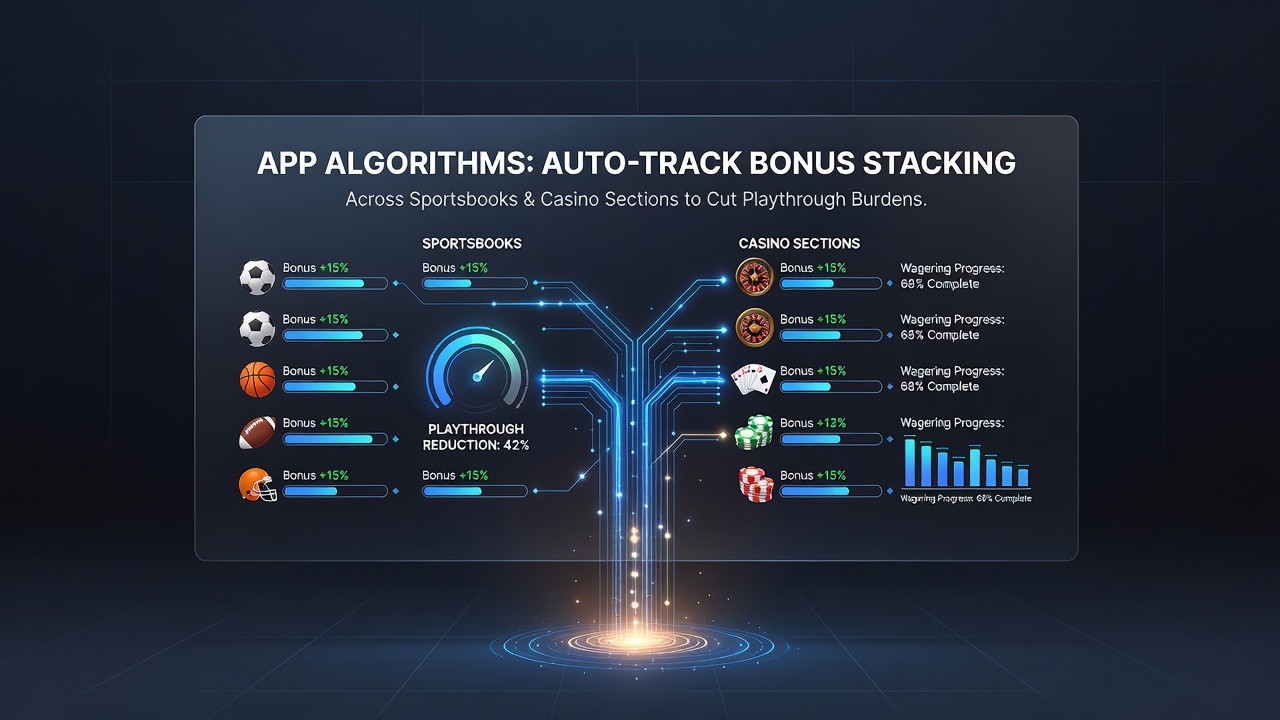
Developers have introduced algorithmic tools that monitor bonus accumulation across separate sportsbook and casino environments within single applications, and these systems calculate combined playthrough obligations in real time. Such software identifies overlapping promotional terms from different sections, then adjusts contribution percentages so users avoid duplicating wagering efforts on the same funds. Data from industry reports indicate that integrated tracking reduces effective playthrough multipliers by aligning eligible bets and spins under unified requirements.
Core Functions of Automated Tracking
These algorithms operate by pulling live data feeds from operator APIs, and they categorize each bonus according to its source section while logging contribution rates toward overall targets. For instance, a free bet from the sportsbook segment might contribute 50 percent toward a casino playthrough threshold, and the software logs this partial fulfillment automatically. Observers note that users activate the feature through account linking, after which the system runs background scans every few minutes to update progress bars visible on the main dashboard.
Real-time reconciliation forms a key component, since separate sections often apply distinct rules for game weighting and time limits. The algorithm cross-references these parameters against current session activity, then flags any mismatches that could extend total obligations. Research from the National Council on Problem Gambling shows that synchronized monitoring correlates with lower instances of extended play sessions when users follow the generated suggestions for eligible wagers.
Integration Across Sportsbook and Casino Divisions
Many applications now embed the tracking layer directly into their unified wallets, which allows seamless movement of funds between sections without manual recalculation. When a user claims a deposit match in the casino area, the algorithm immediately factors in any active sportsbook free bet and recalibrates the remaining playthrough amount accordingly. This cross-division visibility prevents situations where players complete one requirement only to discover residual obligations from an earlier promotion.
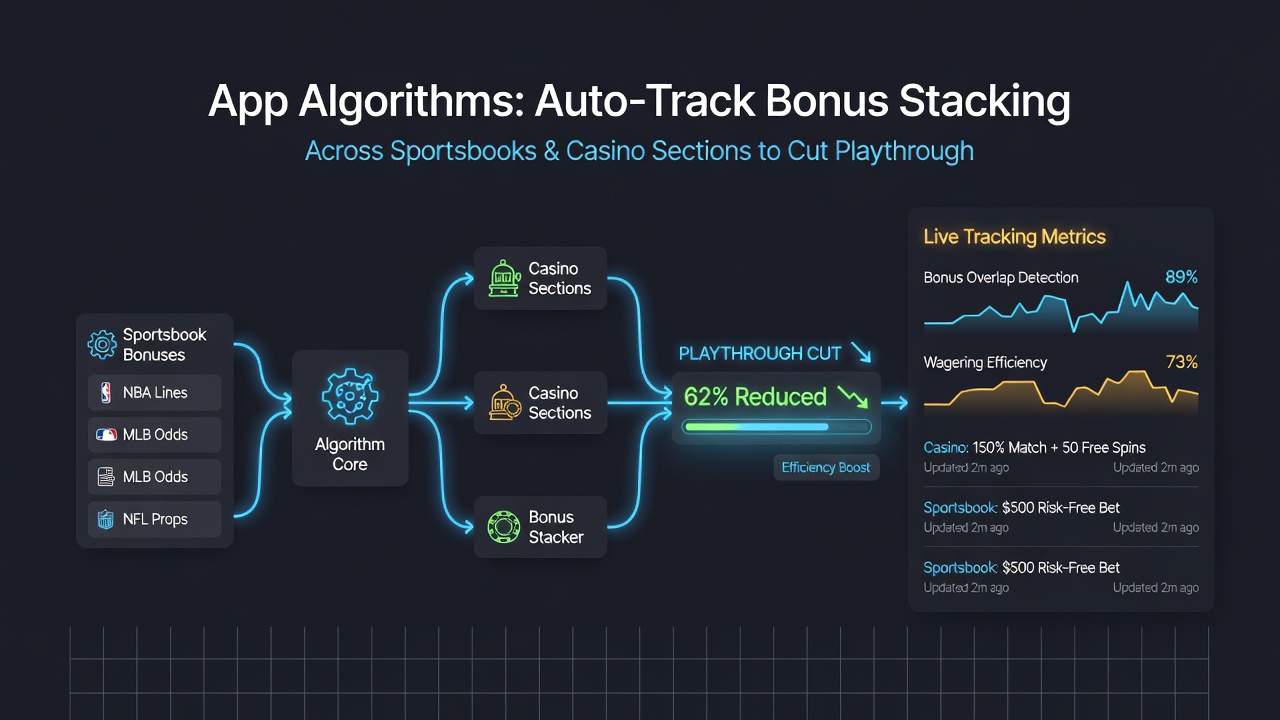
Developers tested these features in pilot programs during early 2026, and findings revealed average reductions of 15 to 25 percent in total wagering volume needed to unlock withdrawals. The software also generates alerts when a particular game or bet type offers higher contribution efficiency, directing activity toward those options while respecting each bonus's geographic and temporal restrictions. Figures from the Australian Gambling Research Centre reveal similar efficiency gains in markets where multi-section apps dominate user activity.
Technical Mechanisms Behind the Automation
Machine learning models power the predictive elements, training on historical bonus data to forecast optimal stacking sequences. The system evaluates variables such as expiration dates, eligible game lists, and maximum bet caps, then outputs a prioritized action list that users can follow or override. Updates rolled out in August 2026 incorporated additional filters for regulatory changes in multiple jurisdictions, ensuring the tracking remains compliant with evolving contribution caps.
Security protocols encrypt all bonus data in transit and at rest, and independent audits confirm that no user-specific patterns leave the device without explicit consent. Industry associations including the European Gaming and Betting Association have published guidelines that encourage transparent disclosure of these algorithmic processes to maintain user trust.
Practical Outcomes Reported by Operators
Operators deploying the tools report higher retention rates among users who activate the stacking tracker, since clearer progress metrics reduce frustration from unexpected remaining balances. One documented case involved an app that integrated the feature across its North American and European servers, resulting in measurable decreases in support tickets related to bonus disputes. Data indicates the average time from bonus claim to cashout shortened by several days when automated adjustments handled the cross-section calculations.
Users receive weekly summaries that break down contribution sources by section, highlighting which combinations delivered the most efficient reductions. These reports draw from aggregated anonymized datasets rather than individual histories, aligning with privacy standards set by bodies such as the Canadian Centre for Gaming Research.
Conclusion
Algorithmic tracking of bonus stacking continues to evolve as operators refine integration between sportsbook and casino environments. The systems deliver factual reductions in duplicated playthrough demands by maintaining continuous oversight of terms and contributions. Evidence from multiple regulatory and research sources confirms measurable impacts on user workflows without altering the underlying promotional structures offered by platforms.