Decoding Promotion Algorithms in Mobile Wagering Apps: The Mechanics of Layered Reward Systems
Blake Frank · Aug 18, 2026
Decoding Promotion Algorithms in Mobile Wagering Apps: The Mechanics of Layered Reward Systems
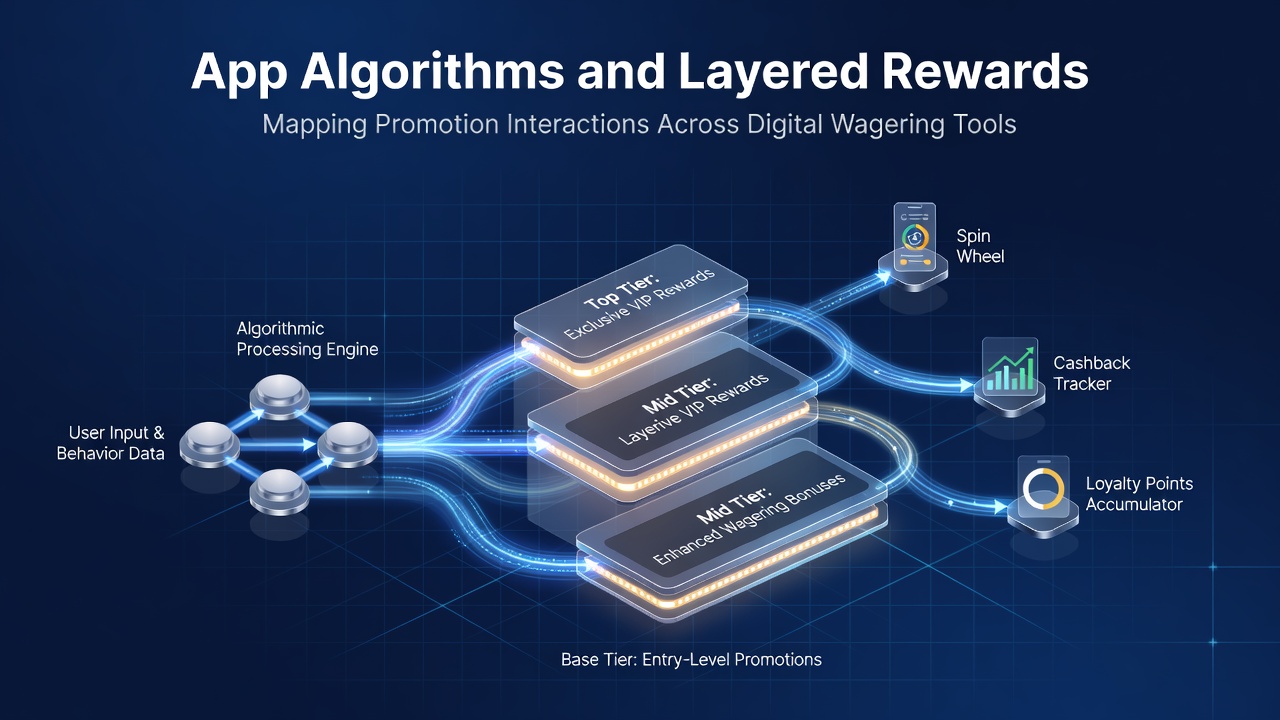
Digital wagering platforms rely on sophisticated app algorithms to manage layered rewards that combine free bets, odds boosts, and no-deposit casino perks into unified user experiences. These systems track multiple promotional layers simultaneously, adjusting eligibility criteria and payout thresholds based on real-time data inputs from user activity across betting and gaming sections. Observers note that such integration allows operators to streamline how rewards stack without creating conflicts in wagering requirements or redemption paths.
App algorithms process promotion interactions by categorizing each reward type according to its source, value, and associated conditions. Free bets typically trigger one set of tracking parameters while odds boosts activate another, and no-deposit casino rewards introduce a third layer that must align with overall account status. Researchers at institutions studying digital entertainment technology have documented how these layered structures reduce administrative overhead for operators while maintaining compliance with regional licensing frameworks.
Core Components of Algorithmic Promotion Mapping
Promotion mapping begins with data collection modules that log every claim, usage, and outcome within the app environment. Algorithms then cross-reference these records against predefined rules for each reward category, ensuring that combined benefits do not exceed permitted thresholds. This process involves continuous monitoring of session data, deposit history, and game-type preferences to determine which layers remain active at any given moment.
One study from a North American research consortium on gaming technology revealed that effective layering often depends on conditional branching logic. When a user activates a free bet alongside an odds boost, the system evaluates whether the combined value triggers additional casino-style rewards or imposes sequential usage requirements. Such branching prevents overlap while maximizing engagement across different platform sections.
Interaction Patterns Across Digital Tools
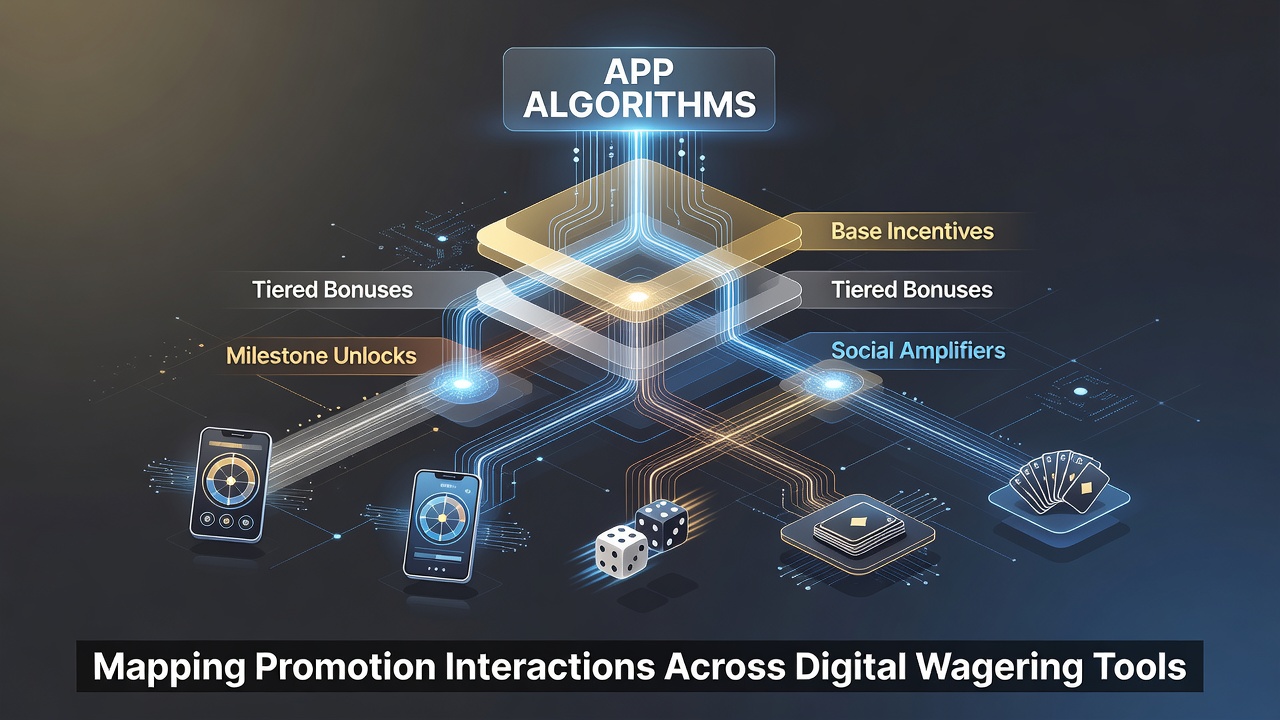
Across mobile and desktop interfaces, algorithms coordinate promotion layers through centralized databases that sync in real time. A player who claims a no-deposit casino perk on one device sees its status reflected instantly when switching to a betting-focused section on another. This synchronization relies on API connections that pass encrypted identifiers between modules handling sports wagers, slot mechanics, and table game bonuses.
Figures from industry reports compiled by the Australian Institute of Gambling Research indicate that layered systems have expanded in complexity since mid-2025, particularly as operators incorporate predictive analytics to forecast reward uptake. These analytics help adjust offer visibility based on historical patterns, such as higher redemption rates for combined free bet and boost promotions during peak evening hours.
Technical Adjustments Observed in 2026
By August 2026, several operators had implemented updated algorithmic protocols to handle regulatory shifts in taxation and licensing across multiple jurisdictions. These updates focused on separating reward layers more distinctly when tax calculations apply to gross gaming yield derived from promotional activity. The changes required algorithms to flag certain layered combinations for separate reporting streams without disrupting the user-facing redemption process.
Developers achieved this separation through modular code structures that isolate each promotion type while maintaining a shared eligibility engine. When a user stacks a no-deposit casino reward with an odds boost, the system calculates individual contributions to overall playthrough before merging them into a single progress bar. This approach keeps interfaces clean while satisfying audit requirements from licensing bodies in regions outside the UK.
Case Examples of Layered Reward Handling
Take one operator that integrated its sports betting and casino modules through a unified algorithm in early 2026. Users who activated free bets on football markets and then transitioned to slot sessions with no-deposit perks saw the algorithm automatically deduct partial progress from each layer independently. Data from similar implementations shows reduced instances of reward conflicts compared with earlier non-layered systems.
Another example involves apps that employ machine learning components to refine promotion mapping over time. These components analyze aggregate user paths to identify which layer combinations produce the highest retention without increasing risk exposure. According to findings presented at a 2026 conference hosted by the North American Gaming Regulators Association, such refinements led to measurable improvements in reward utilization rates across tested platforms.
Future Directions in Algorithm Development
Developers continue to explore ways to enhance transparency within layered reward algorithms by adding user-accessible dashboards. These tools display active promotions, their interactions, and remaining conditions in a single view, reducing the need for manual tracking. Industry organizations such as the European Gaming and Betting Association have highlighted the value of such features in maintaining trust between platforms and participants.
Additional advancements include cross-platform compatibility layers that allow reward status to transfer between mobile apps and web versions without resetting algorithmic counters. This continuity supports users who alternate devices while preserving the integrity of layered calculations.
Conclusion
App algorithms that map layered rewards across digital wagering tools form the backbone of modern promotional strategies by coordinating free bets, odds boosts, and casino perks through structured data flows. Evidence from regulatory updates in August 2026 and technical reports from diverse regions shows ongoing refinement of these systems to balance operational efficiency with compliance demands. As platforms evolve, the focus remains on precise interaction mapping that supports seamless user experiences while meeting external oversight standards.