Synchronizing Incentive Layers Across Portable Platforms: Coordinating Diverse Reward Structures for Streamlined Fulfillment
Blake Frank · Aug 27, 2026
Synchronizing Incentive Layers Across Portable Platforms: Coordinating Diverse Reward Structures for Streamlined Fulfillment
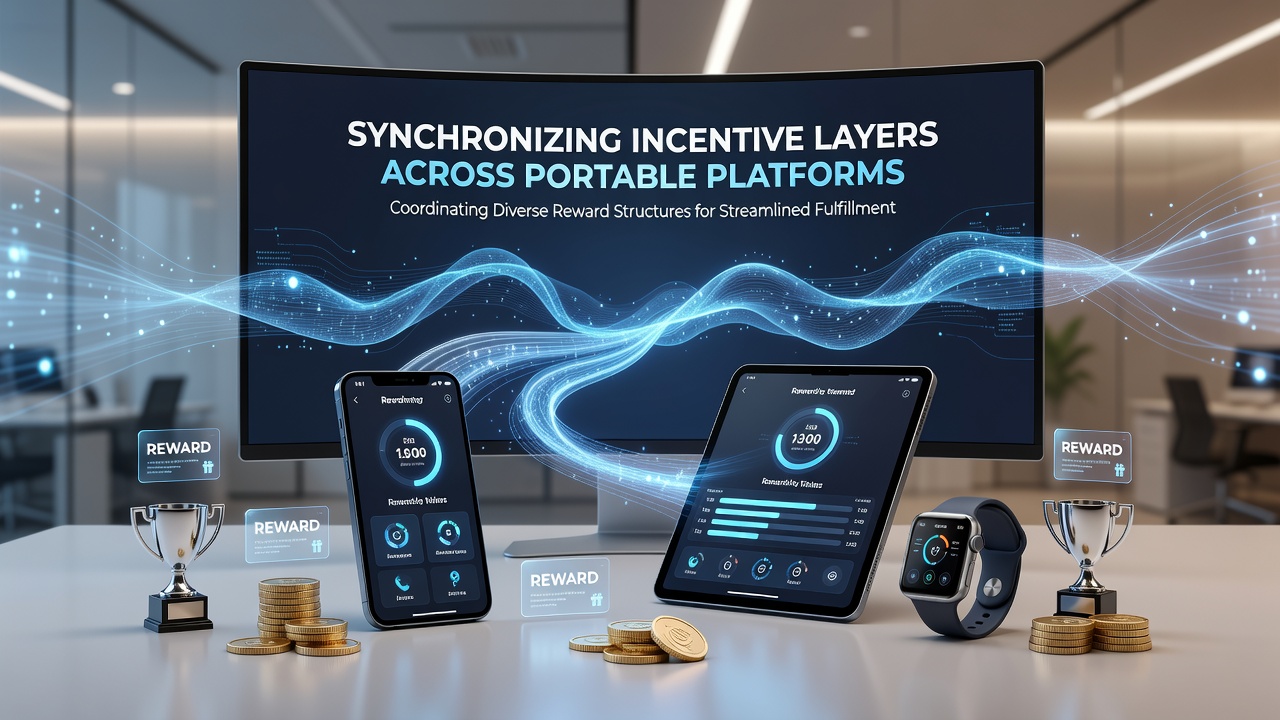
Portable platforms have expanded the ways operators deliver rewards, yet users often encounter fragmented systems where free bets, deposit matches, and loyalty points operate in isolation, and synchronizing these layers requires careful coordination across devices and regions. Operators track multiple reward types through centralized dashboards that pull data from separate modules, and this approach reduces duplication while allowing simultaneous progress toward fulfillment conditions on a single account.
Core Components of Incentive Layers
Each incentive layer consists of distinct elements including eligibility criteria, expiration timelines, and conversion rules, and portable platforms integrate these by mapping variables such as wager multipliers and game categories into unified tracking engines. Researchers at academic institutions have examined how API connections between sportsbook and casino modules enable real-time updates, and data from those studies show reduced error rates when operators align bonus codes across mobile and tablet interfaces. In August 2026 several providers rolled out enhanced cross-layer protocols that automatically adjust pending requirements when a user switches from one reward category to another.
Coordination Mechanisms in Practice
Operators employ middleware solutions that reconcile diverse structures by converting points from loyalty programs into equivalent bet credits, and this conversion happens without manual intervention once the system detects completion of initial deposit conditions. Industry reports from the European Gaming and Betting Association highlight that synchronized layers cut average fulfillment time by aligning promotional calendars, while separate systems often force users to meet overlapping conditions sequentially. One documented case involved a platform that linked no-deposit casino spins directly to ongoing sportsbook targets, and users completed both within the same session window because the backend recalculated progress across modules.
Technical Integration Across Devices
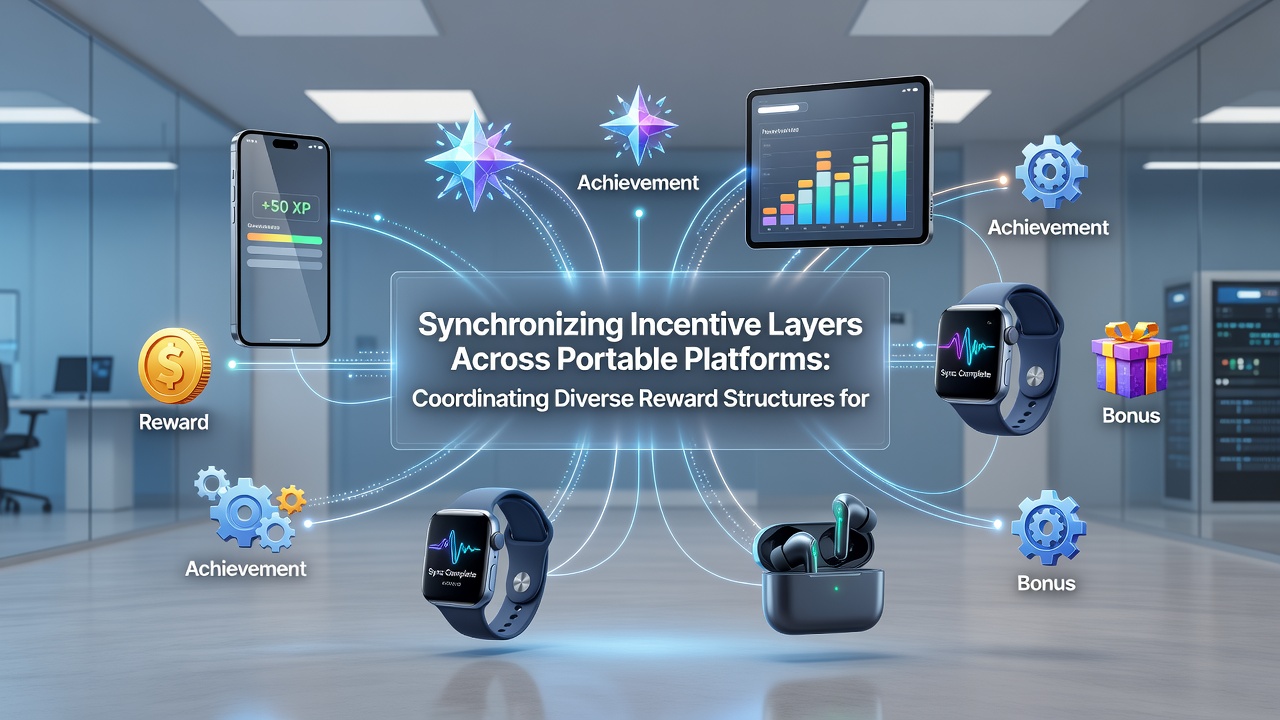
Cloud-based ledgers store user progress in formats accessible from any portable device, and push notifications alert participants when one layer influences another. Data synchronization occurs through encrypted channels that comply with regional data protection standards, and operators test these connections during routine maintenance windows to prevent desync events. Observers note that platforms using unified ledgers report fewer support tickets related to mismatched balances, and this pattern appears in metrics collected from multiple jurisdictions outside the primary UK market.
Regional Variations and Regulatory Influences
Different regulatory environments shape how layers interact, and platforms operating in Canada adapt their systems to align with provincial requirements that differ from those in Australian states. According to figures released by iGaming Ontario, coordinated reward fulfillment rose after operators introduced region-specific rule sets into the same tracking framework. In contrast, operators serving multiple EU markets maintain separate compliance flags that still feed into a single user dashboard, and this dual structure allows seamless movement between jurisdictions without resetting progress counters.
Impact on User Fulfillment Timelines
Streamlined fulfillment emerges when layers share common verification steps, and portable platforms achieve this by requiring only one identity check for all active rewards. Research papers published through university gaming centers indicate that users who engage with synchronized systems complete conditions faster because progress bars reflect combined activity rather than isolated tallies. Yet the same studies caution that overly complex conversion formulas can offset these gains, and operators continue refining algorithms to maintain transparency.
Future Developments Expected After August 2026
Platform developers anticipate further consolidation of reward engines through standardized data schemas, and early adopters have already demonstrated reduced operational overhead. Trade group analyses suggest that continued investment in cross-platform synchronization will expand the number of simultaneous incentives users can manage, and this expansion relies on stable backend connections that update without user intervention. Those who monitor industry metrics expect additional case studies to emerge as more operators adopt the model.
Conclusion
Synchronizing incentive layers across portable platforms involves mapping diverse reward structures onto shared tracking systems that respect regional rules while delivering consistent progress updates. Evidence from regulatory bodies and academic sources demonstrates measurable improvements in fulfillment efficiency when operators prioritize integration, and ongoing refinements point toward even tighter coordination in subsequent platform cycles.